The Origin and Structure of the Human Body
A human being is more than a biological organism; a human is a conscious, emotional, social, and moral entity capable of reasoning, creativity, and self-reflection. Humans belong to the species Homo sapiens, distinguished from other living beings by advanced intelligence, complex language, culture, and the ability to shape their environment intentionally. To understand who humans are, it is essential to explore how they came into existence and how the intricate structure of the human body was created.
The Origin of Human Existence
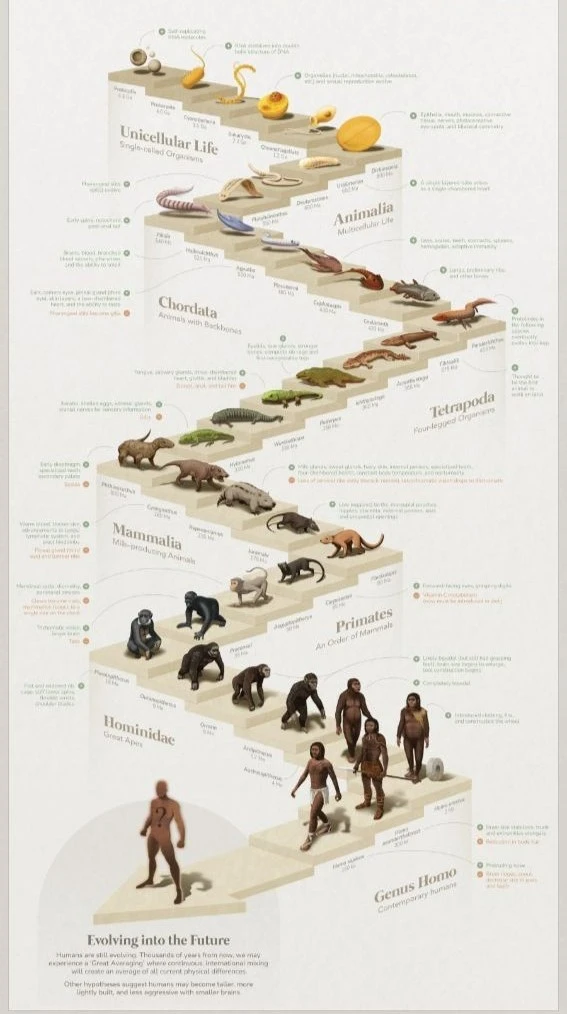
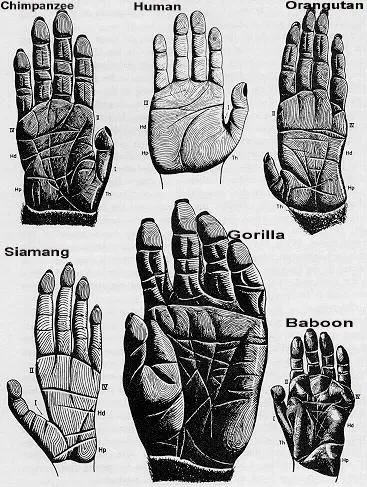
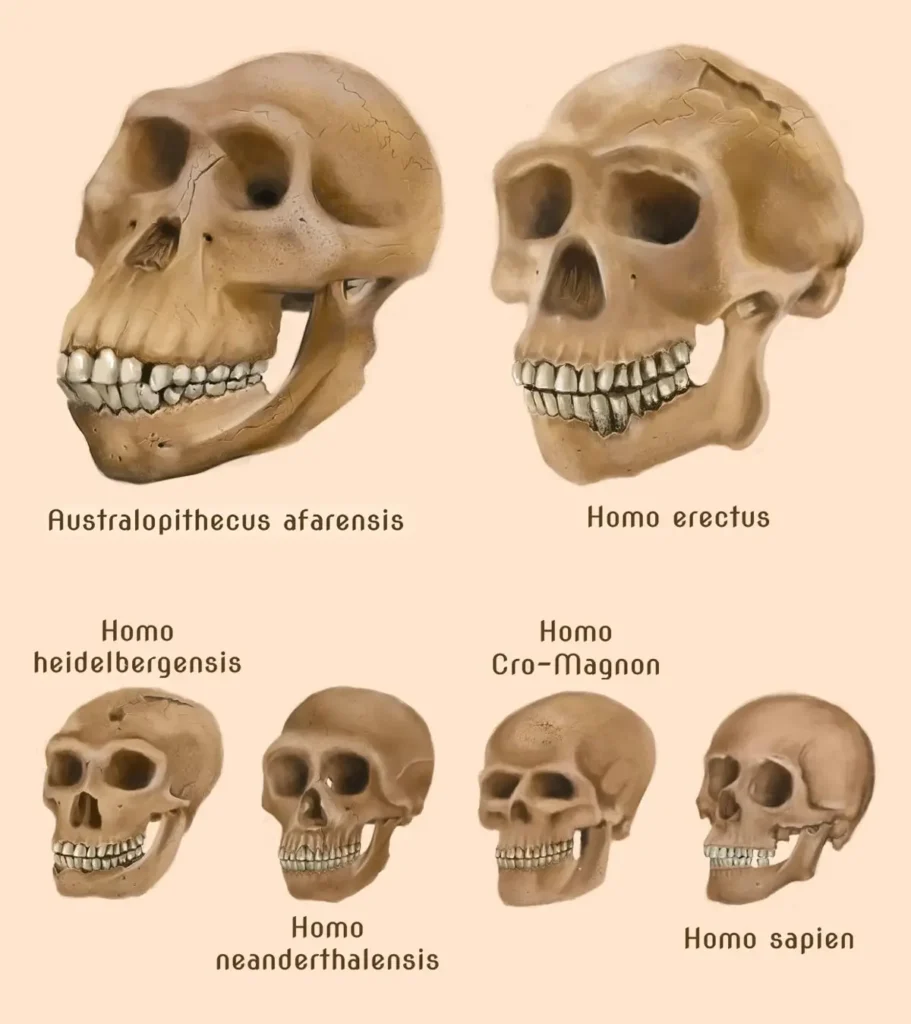
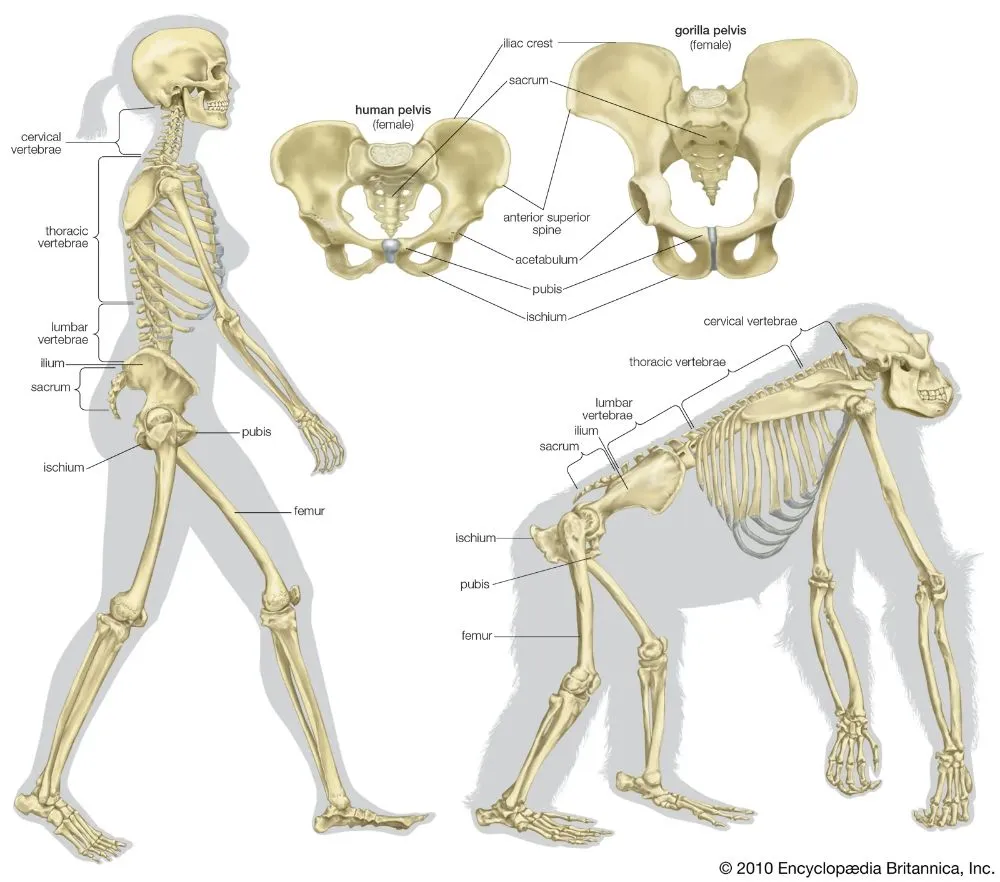
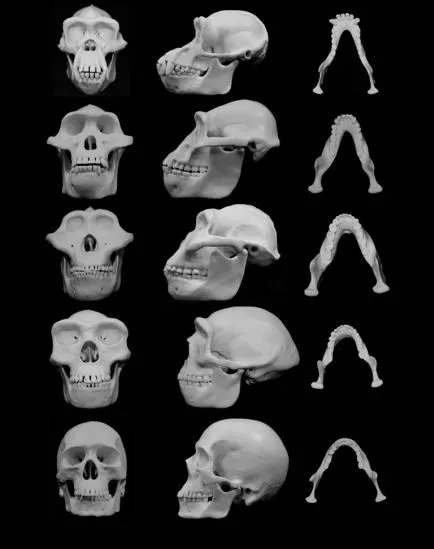
From a scientific perspective, humans came into existence through the process of evolution. According to evolutionary theory, modern humans evolved over millions of years from early primates. Through natural selection, beneficial traits such as upright walking, larger brains, and refined hand movements were preserved, allowing humans to adapt, survive, and dominate diverse environments. Fossil evidence and genetic studies indicate that Homo sapiens originated in Africa and gradually spread across the world.
In addition to scientific explanations, many cultures and religions provide philosophical and spiritual interpretations of human origin. These views often describe humans as creations of a higher power, endowed with purpose, morality, and a soul. While science explains the physical development of humans, philosophy and religion attempt to explain the deeper meaning of human existence. Together, these perspectives highlight that human origin is both a biological process and a profound existential question.
Creation of the Human Body Structure
The structure of the human body is one of the most complex systems in nature. It is created through a highly organized process that begins at fertilization, when a single cell—formed by the union of sperm and egg—contains all the genetic information needed to build an entire human being. This genetic code, stored in DNA, acts as a blueprint guiding growth and development.
As the embryo develops, cells specialize through a process called differentiation, forming tissues and organs. The human body is organized into multiple levels: cells form tissues, tissues form organs, and organs work together in systems such as the circulatory, nervous, respiratory, and digestive systems. Each system performs a vital function, yet all are interdependent, maintaining balance through a process known as homeostasis.
The skeletal structure provides support and protection, while muscles enable movement. The nervous system controls thought, sensation, and coordination, making consciousness and intelligence possible. The brain, in particular, is the most advanced organ in the human body, allowing learning, memory, emotions, and self-awareness—qualities that define human uniqueness.
Humans Unique
What truly defines a human is not only physical structure but also mental and emotional capacity. Humans experience complex emotions, form deep relationships, create art, develop ethical values, and question their own existence. Unlike other organisms, humans can reflect on the past, imagine the future, and make deliberate choices based on moral judgment rather than instinct alone.
Furthermore, humans are social beings. Language and communication allow the sharing of knowledge across generations, leading to the development of civilization, science, and technology. This cultural evolution continues alongside biological evolution, shaping humanity’s future.