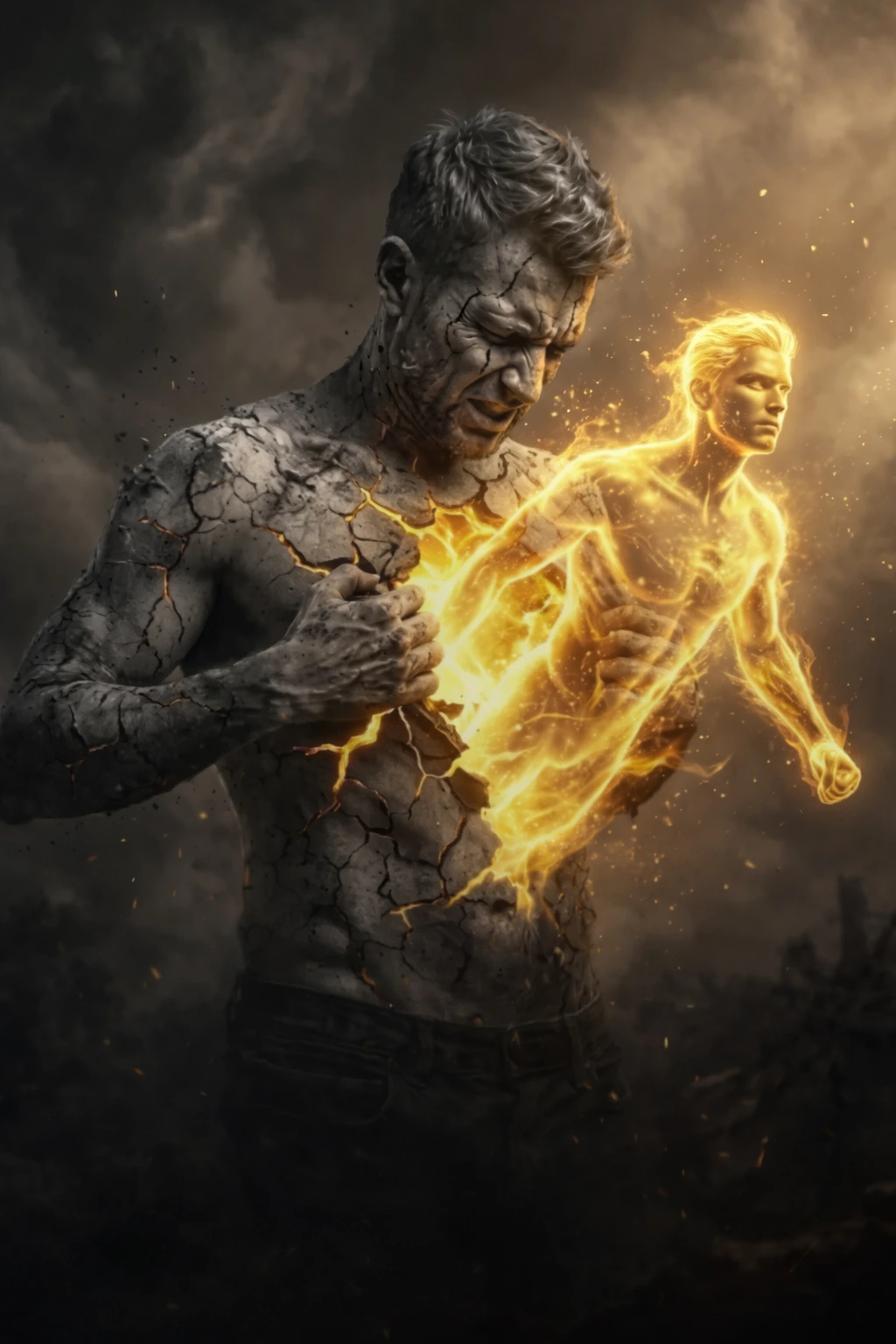
Emotion
Emotion is an internal experience that combines feeling, thought, and physical response. When we feel fear, our heart races. When we feel love, our body relaxes. When we feel anger, energy surges through us. Emotion is not just a thought, and it is not just a bodily reaction—it is a bridge between the two.
At its core, emotion is a biological signal. It tells a living being what matters. Pain says “avoid this.” Pleasure says “repeat this.” Fear says “survive.” Love says “protect and connect.”
Emotion gives meaning to experience. Without emotion, events would happen, but nothing would matter.
Emotional Creation
Emotions did not appear by accident. They emerged because they were useful.
In early life forms, survival depended on quick decisions. There was no time for logic or analysis. Emotion became a fast internal system that pushed organisms toward survival-enhancing behavior.
- Fear helped creatures escape danger
- Attachment helped parents protect offspring
- Aggression helped defend territory
- Pleasure encouraged eating, mating, and bonding
In humans, emotional creation became more complex because human life became more complex. Social living required trust, empathy, guilt, shame, pride, and compassion. These emotions helped maintain relationships, cooperation, and moral behavior.
In simple terms: emotions exist because they work. They helped life survive, adapt, and connect.
Human Emotions vs. Animal Emotions
Animals clearly experience emotions. A dog shows joy, fear, anxiety, and attachment. A mother bird protects her chicks. A lion shows aggression and dominance. Emotion is not exclusive to humans.
However, there are important differences.
Animal Emotions
Animal emotions are immediate and situational. They are closely tied to survival needs:
- Hunger
- Fear
- Pleasure
- Attachment
- Aggression
Animals feel emotions in the present moment. They do not reflect deeply on them. A threat passes, and the emotion fades.
Human Emotions
Human emotions are layered, reflective, and symbolic. Humans can:
- Feel emotions about the past
- Worry about future emotions
- Feel emotions about emotions (shame about anger, guilt about happiness)
- Attach emotions to ideas, beliefs, and identities
Humans can suffer from emotions even when no immediate threat exists. This is the cost of imagination, memory, and self-awareness.
Emotional Evolution
Early emotions were simple: fear, attraction, avoidance. As brains grew more complex, emotions became more nuanced. Social species developed emotions that supported cooperation. Humans, with advanced cognition, developed emotions tied to morality, meaning, and identity.
Emotional evolution did not replace old emotions—it stacked on top of them. The fear that helped early humans escape predators still exists today, but now it can be triggered by social rejection, failure, or uncertainty.
Modern emotional struggles are often ancient survival systems operating in a modern world.




Hi, this is a comment.
To get started with moderating, editing, and deleting comments, please visit the Comments screen in the dashboard.
Commenter avatars come from Gravatar.