Modern medicine increasingly recognizes that the human nervous system is not only biological but electrical. Every voluntary movement—every step, every grasp, every blink—is initiated by tiny electrical signals traveling from the brain to the muscles. When injury or disease interrupts those signals, movement may disappear, even though the muscles themselves remain capable of action. Functional Electrical Stimulation (FES) is a technology designed to bridge that gap. By delivering carefully controlled electrical pulses to specific muscles or nerves, FES restores movement patterns that injury has silenced.
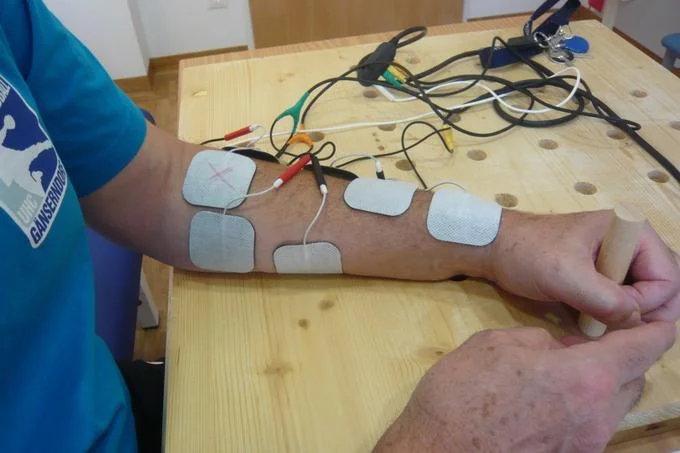
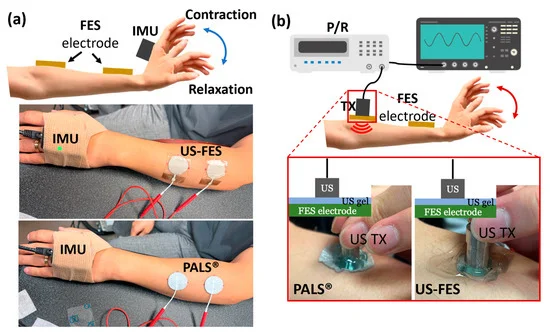
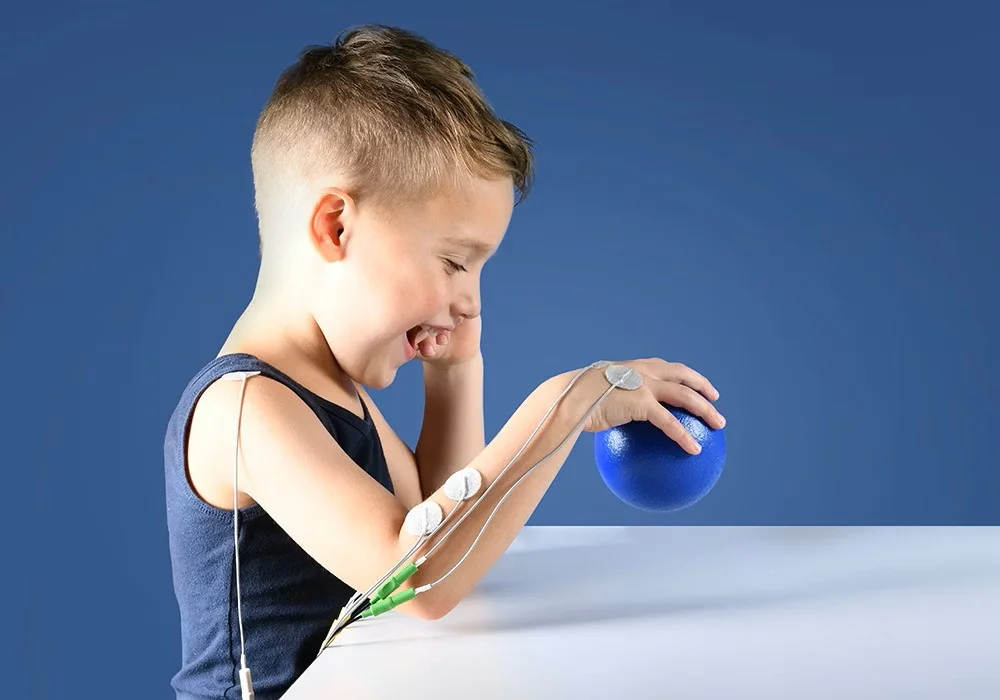
Functional Electrical Stimulation works on a simple but powerful principle: muscles contract when they receive electrical impulses. In a healthy body, these impulses come from motor neurons. In individuals with spinal cord injury, stroke, multiple sclerosis, or cerebral palsy, the pathway between the brain and the muscle may be damaged. FES bypasses this disruption by applying small electrical currents directly to the affected nerves or muscles using surface electrodes or implanted devices. These currents trigger muscle contractions that mimic natural movement.
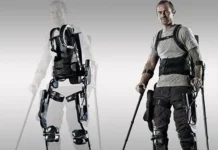
Unlike passive movement devices, FES produces functional, purposeful motion. It is commonly used to assist walking in individuals with foot drop—a condition in which the front part of the foot cannot be lifted properly. An FES device can stimulate the appropriate muscles during the swing phase of walking, allowing the foot to clear the ground safely. More advanced systems coordinate stimulation across multiple muscle groups, enabling stepping patterns that approximate natural gait.
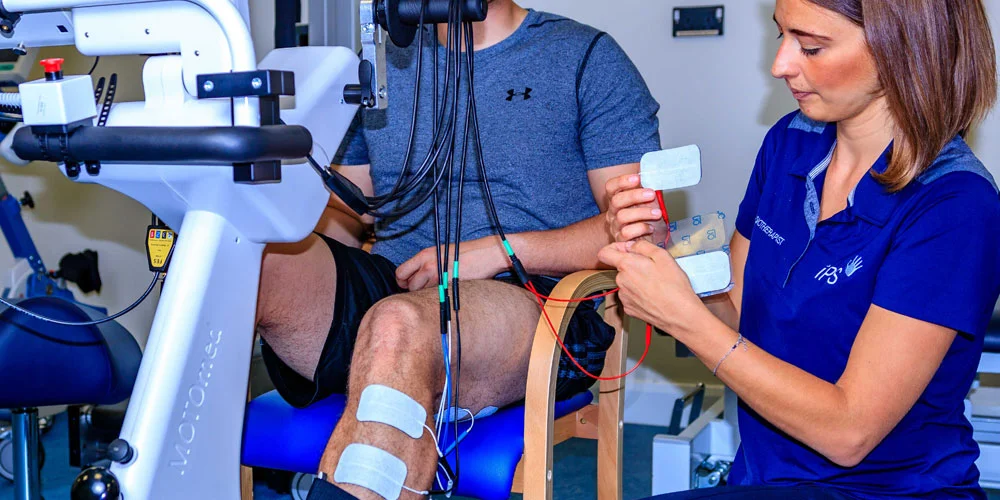
FES is also used in rehabilitation therapy. Repeated electrically stimulated movements help preserve muscle mass, improve circulation, and reduce the risk of complications such as pressure sores or bone density loss. Importantly, FES may encourage neuroplasticity—the nervous system’s ability to reorganize itself. By repeatedly activating muscles in coordinated patterns, FES reinforces neural circuits that support movement, potentially enhancing recovery over time.
Beyond walking assistance, FES has applications in upper-limb rehabilitation, bladder control, respiratory support, and even cycling therapy. In FES cycling, individuals with paralysis pedal a stationary bicycle using electrically stimulated muscle contractions. This not only promotes cardiovascular health but also supports metabolic function and psychological well-being. The technology demonstrates that movement, even when externally triggered, remains vital for overall health.
Technologically, FES systems consist of several components: a programmable pulse generator, electrodes placed on the skin or implanted near nerves, and sensors that synchronize stimulation with movement. Some advanced systems operate in a closed-loop manner, adjusting stimulation intensity in real time based on muscle response. Integration with brain–computer interfaces and spinal cord stimulation research suggests a future in which FES becomes part of comprehensive neuroprosthetic systems.
However, Functional Electrical Stimulation is not without limitations. The effects are often temporary and dependent on consistent device use. Muscle fatigue can occur due to repeated artificial activation. Implantable systems require surgical procedures, and surface electrodes may cause skin irritation. Furthermore, FES does not repair damaged spinal tissue; it compensates for lost neural communication rather than restoring it completely.
Despite these challenges, the broader significance of FES lies in its conceptual shift. It reframes paralysis not solely as an irreversible loss, but as a problem of interrupted electrical signaling. By reintroducing controlled impulses, FES restores a degree of agency and mobility. It transforms electricity from a purely technological force into a therapeutic tool—an “electroceutical” capable of reengaging dormant muscles.