Technological progress is often measured by spectacular inventions—humanoid robots, space exploration, or artificial intelligence systems that mimic human thought. Yet some of the most powerful technologies enter society quietly, changing daily life without celebration or fear. Floor-cleaning robots are one such invention. They do not speak, resemble humans, or attract headlines, but they represent a profound shift in how society views labor, time, and automation.
A floor-cleaning robot is an autonomous machine designed to clean floors with minimal or no human intervention. Using sensors, software, and motorized systems, it can vacuum, mop, or scrub surfaces while navigating obstacles and returning to its charging station automatically. Unlike traditional cleaning machines that require constant human control, these robots operate independently, making them one of the most practical examples of robotics in everyday life.
The creation of floor-cleaning robots was driven by necessity rather than curiosity. Cleaning floors is repetitive, physically demanding, and often undervalued work. In homes, it consumes time that could be spent on rest, family, or creativity. In public spaces such as hospitals, malls, airports, and factories, floor cleaning is essential for hygiene and safety but requires long hours of human effort, often under harsh conditions involving chemicals, dust, and physical strain. The floor-cleaning robot was created to reduce this burden, improve efficiency, and maintain cleanliness consistently without fatigue.
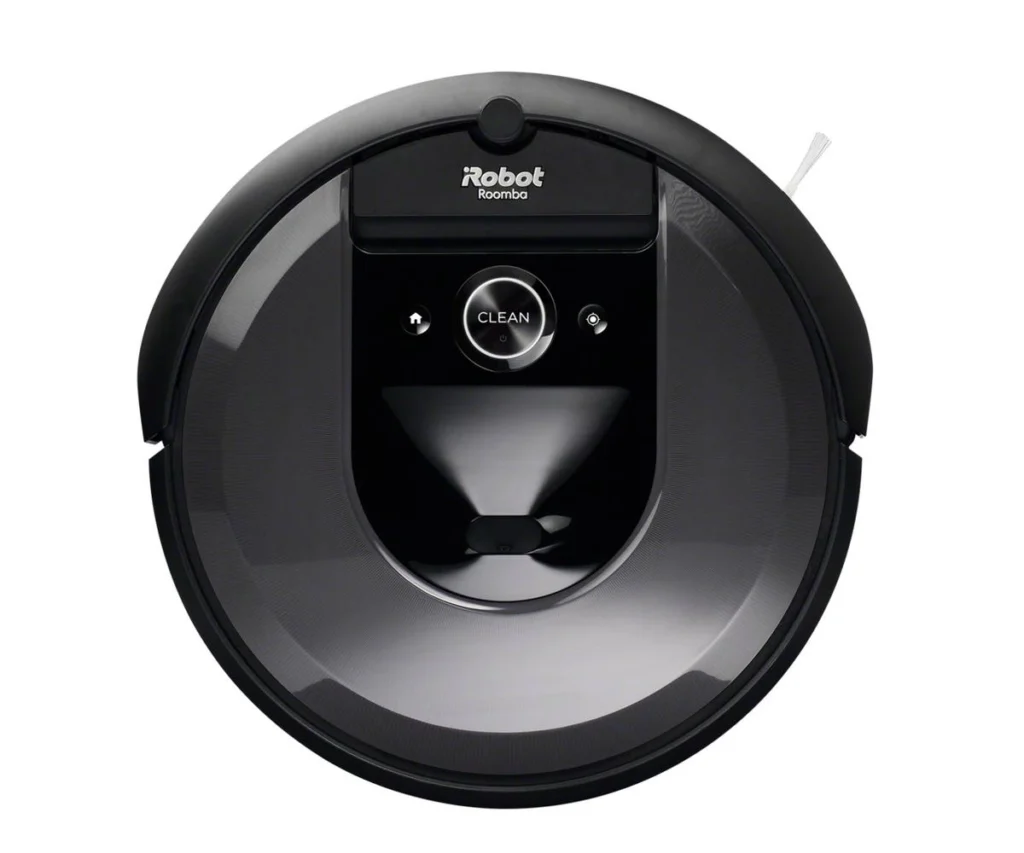
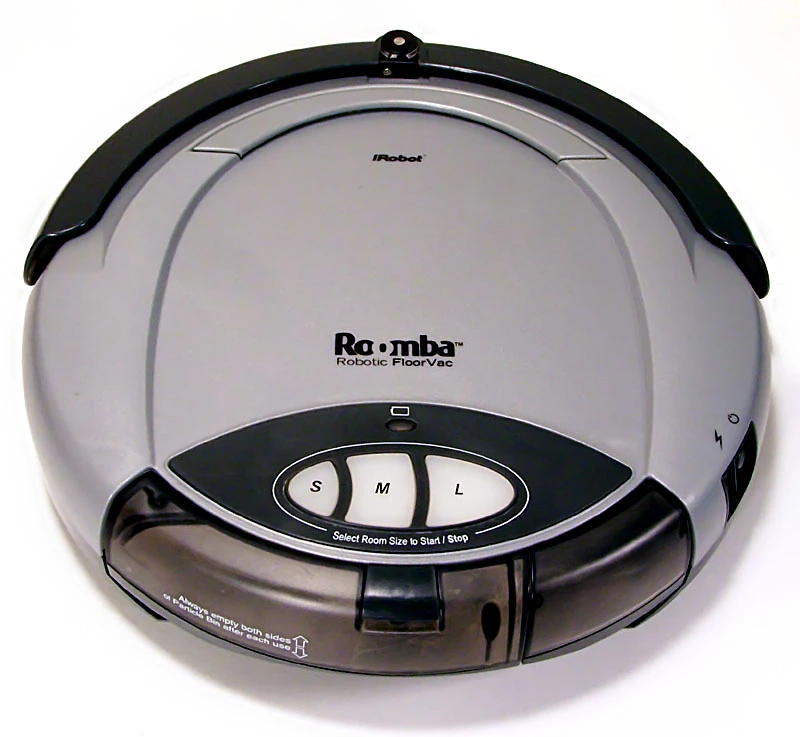
The modern concept of the floor-cleaning robot became a reality in 2002 with the introduction of the Roomba by iRobot. While earlier automation ideas existed in research labs, this innovation marked the first time robotic cleaning entered ordinary households on a large scale. It transformed a theoretical idea into a practical consumer product and opened the door for widespread acceptance of domestic robots.
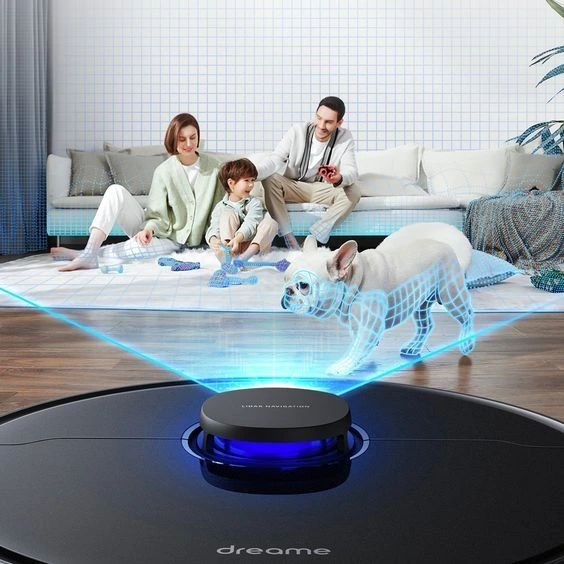
What makes floor-cleaning robots particularly significant is their integration with Internet of Things (IoT) technology. These robots are not isolated machines; they are connected devices. Through Wi-Fi, mobile applications, and cloud-based systems, users can schedule cleaning sessions, monitor performance, receive maintenance alerts, and even control robots remotely. Sensors such as infrared detectors, cameras, and LiDAR enable the robot to map environments, avoid obstacles, and optimize cleaning paths. This combination of robotics and IoT turns a simple cleaning task into an intelligent, adaptive process.
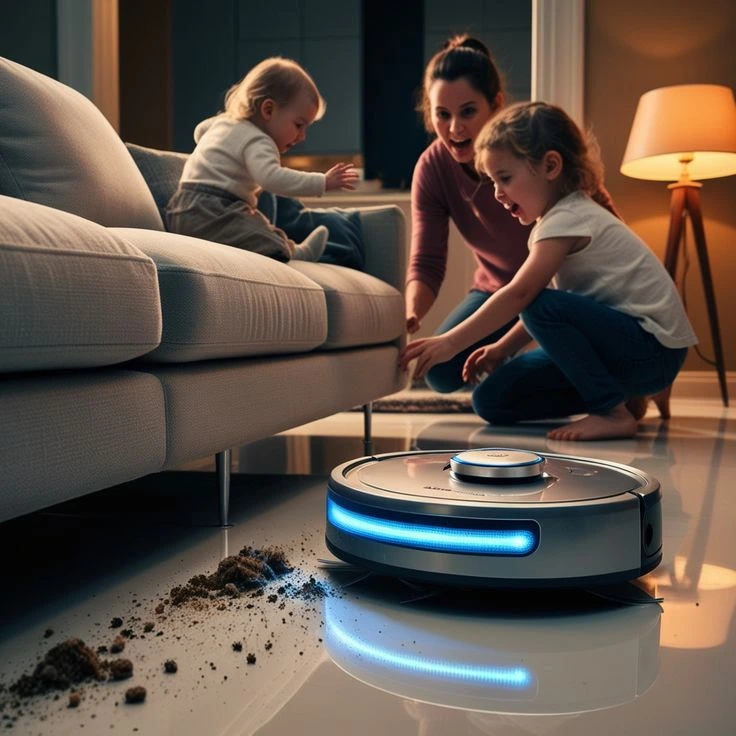
In terms of productivity, floor-cleaning robots demonstrate how automation can outperform humans in repetitive tasks. A household robot can clean an average-sized home daily without exhaustion, while commercial models can maintain thousands of square meters continuously with automatic recharging. They do not replace human intelligence or decision-making, but they effectively replace repetitive physical labor, allowing humans to focus on tasks that require judgment, creativity, and empathy.
However, the rise of floor-cleaning robots also raises important social questions. Cleaning work has traditionally provided employment for millions of people worldwide. As robots take over these tasks, society must confront issues of job displacement, reskilling, and the value assigned to human labor. At the same time, these robots highlight an uncomfortable truth: much of the hardest human work has always been invisible. By automating it, technology forces society to acknowledge its importance.
Types of Floor-Cleaning Robots
These robots are designed to vacuum dust, hair, and small debris.
Used in - homes, offices
Key features
- suction motor
- rotating brushes
- obstacle detection
- auto-charging
Popularized by companies like iRobot.
Robot Mop Cleaners
These robots wet-clean floors using water or cleaning solution.
Used in - homes, apartments
Key features
- water tank
- microfiber pads
- controlled water flow
- gentle cleaning for tiles and wood
Vacuum-and-Mop Hybrid Robots
These robots vacuum and mop in one cycle.
Used in - modern smart homes
Key features
- dual cleaning system
- smart floor detection
- zone-based cleaning
- app control (IoT-enabled)
This is currently the fastest-growing category
Commercial Floor-Cleaning Robots
These robots clean large public spaces.
Used in - malls, airports, offices
Key features
- large water and waste tanks
- strong scrubbing brushes
- autonomous navigation
- night-time operation
Industrial Floor-Cleaning Robots
These are heavy-duty robots for harsh environments.
Used in - factories, warehouses
Key features
- chemical-resistant parts
- dust and oil removal
- long operating hours
- high-power scrubbing
Hospital & Sanitation Robots
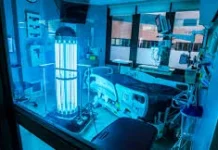
These robots focus on hygiene and infection control.
Used in - hospitals, labs
Key features
- precision cleaning
- disinfectant systems
- sometimes UV-based sanitation
- strict navigation safety
Smart IoT-Enabled Cleaning Robots
These robots are fully connected devices.
Used in - smart homes & smart buildings
Key features
- Wi-Fi connectivity
- mobile app control
- cloud-based mapping
- voice assistant integration
Tasks Performed by Floor-Cleaning Robots
Vacuuming Dust and Debris
Floor-cleaning robots can:
- remove dust, hair, crumbs, and small particles
- clean under furniture and in corners
- work on tiles, wood, and carpets
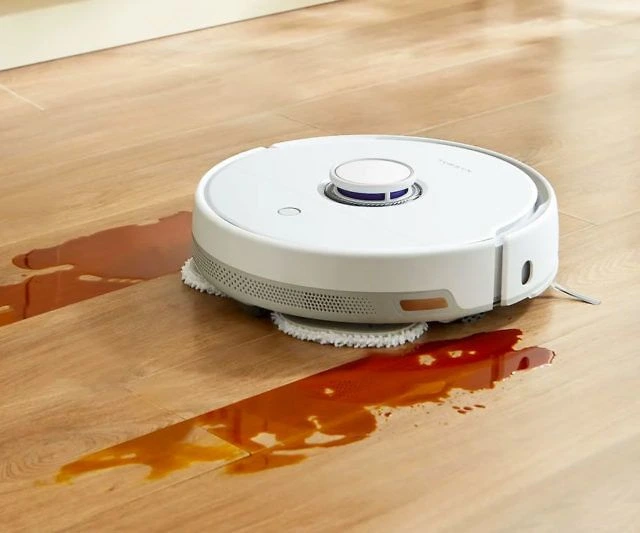
Mopping and Wet Cleaning
Many robots can:
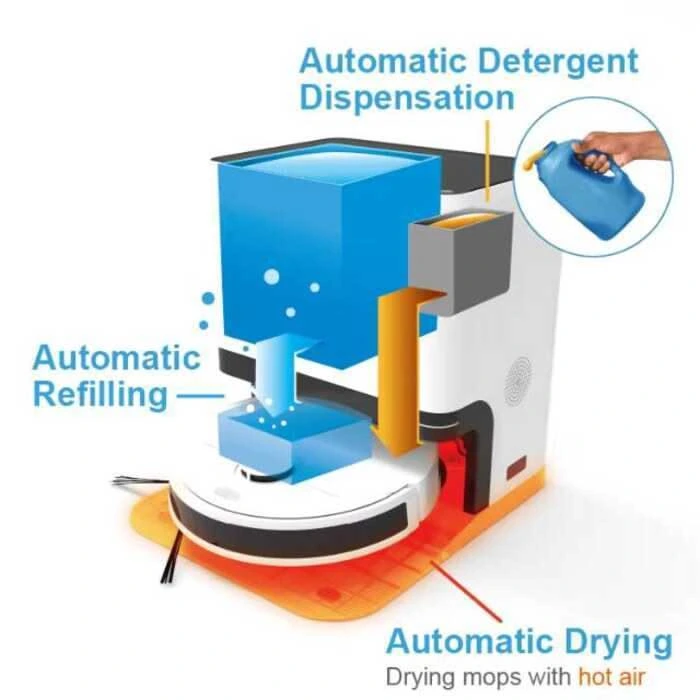
- mop floors using water or cleaning solutions
- control water flow to avoid damage
- clean stains and dried spills
This task improves hygiene, not just appearance.
Scrubbing Hard Floors
Commercial and industrial robots can:
- scrub hard surfaces using rotating brushes
- remove oil, grease, and heavy dirt
- clean large areas consistently
This is common in malls, factories, and airports.
Autonomous Navigation and Path Planning
Robots can:
- map rooms and hallways
- plan efficient cleaning routes
- avoid obstacles like people, furniture, and pets
- prevent falling down stairs
This task replaces human supervision
Scheduled Cleaning
Through IoT technology, robots can:
- clean at specific times
- operate daily or weekly
- work when humans are asleep or away
This enables continuous cleanliness
Self-Charging and Energy Management
Robots can:
- monitor their battery level
- return to charging stations automatically
- resume cleaning after recharging
This allows long-term autonomous operation
Data Collection and Reporting
IoT-enabled robots can:
- record cleaned areas
- report cleaning time and coverage
- detect repeated dirt patterns
In commercial buildings, this improves management efficiency
Evolution of Floor-Cleaning Robots
2002 – Birth of the Floor-Cleaning Robot
- First consumer robot vacuum released by iRobot
- New parts introduced:
- Basic infrared sensors
- Onboard microcontroller
- Motorized brushes and suction
- Rechargeable battery
- Navigation: random movement
2004–2006 – Sensor & Safety Improvements
- New/improved parts:
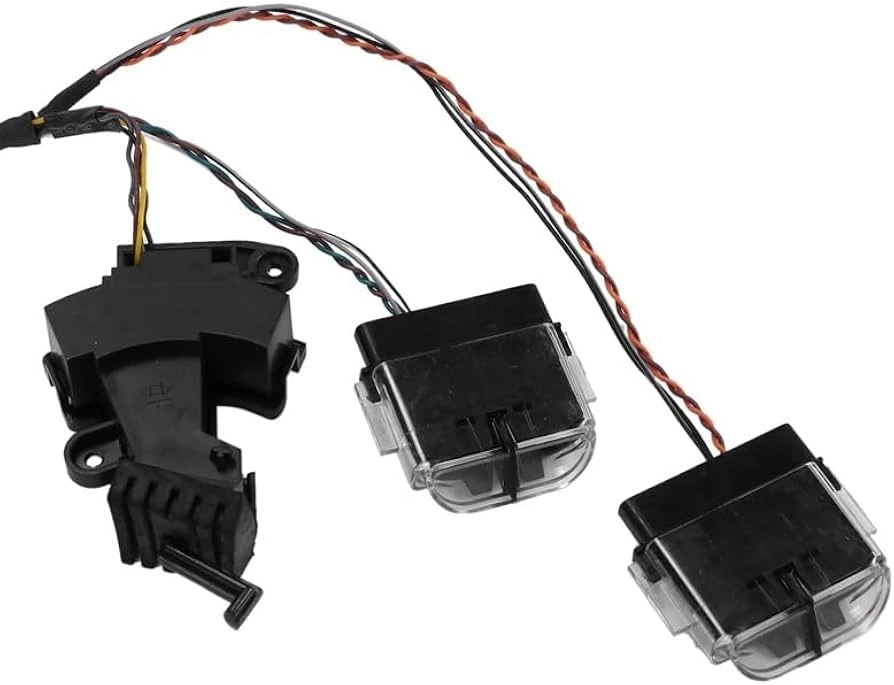
- Cliff sensors (to avoid stairs)
- Bumper sensors
- Improved wheel motors
- Impact: safer operation, fewer falls and collisions
2011–2013 – Mapping Begins
- New technology added:
- Early room-mapping software
- Memory-based navigation
- Impact: robots start understanding space instead of moving randomly