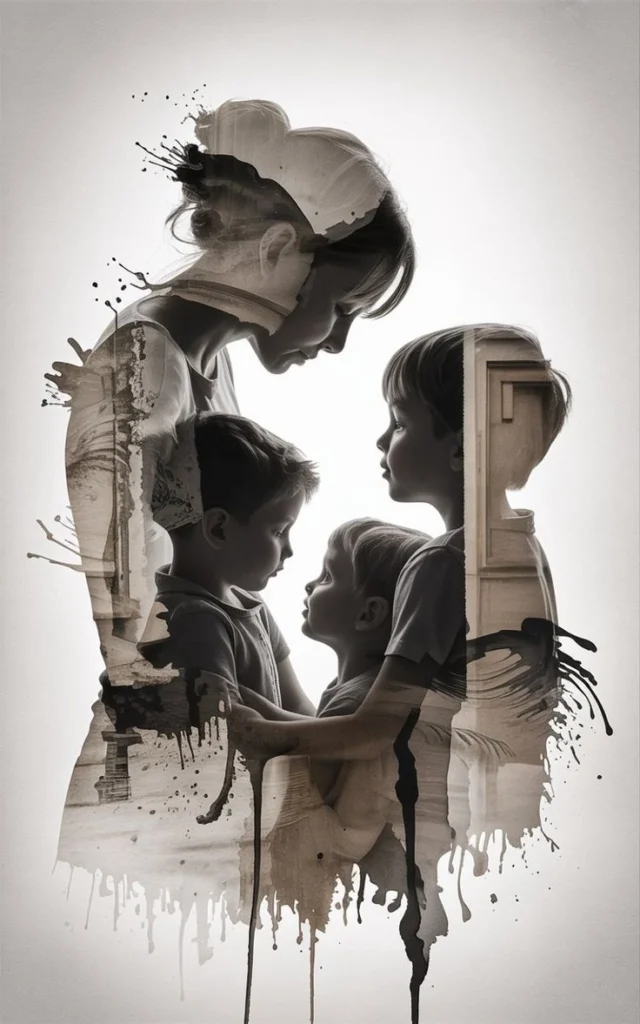
The Inner Child is the part of a person’s mind and emotional world that carries the memories, feelings, needs, and experiences from childhood. It represents who we were when we first learned how to feel, trust, love, fear, and respond to the world. Even as adults, this inner part continues to live within us, quietly influencing our emotions, reactions, and relationships.
The Inner Child forms during early years, when the brain is highly sensitive to its environment. Moments of care, safety, praise, neglect, criticism, fear, or trauma are absorbed deeply. When a child feels loved and protected, the Inner Child grows secure and confident. When a child feels ignored, shamed, controlled, or unsafe, the Inner Child becomes wounded. That wound does not vanish with age—it shows itself later in adult life.
In adulthood, the Inner Child often speaks through emotional reactions rather than words. Sudden anger, fear of abandonment, people-pleasing, difficulty trusting others, or an intense need for validation are common signs of an Inner Child seeking attention. Many adults believe these reactions are irrational, but they are often the emotional memories of a younger self responding to familiar pain.
The Inner Child also holds joy, creativity, curiosity, and innocence. It is the source of imagination, playfulness, and genuine happiness. When people suppress their Inner Child to appear “strong” or “mature,” they may lose connection with these qualities and feel emotionally empty or disconnected.
Understanding the Inner Child is not about blaming parents or living in the past. It is about recognizing unmet emotional needs and learning to care for oneself with compassion. Healing begins when a person listens to their Inner Child, validates its feelings, and provides the safety and understanding it once lacked.